![Symptoms of ovarian laziness in girls[best method]|Dr. Shiva Madani](/storage/https://drshivamadani.com/wp-content/uploads/2025/10/5-15.jpg)
Symptoms of ovarian laziness in girls[best method]|Dr. Shiva Madani

Symptoms of ovarian laziness in girls
07/23/1404

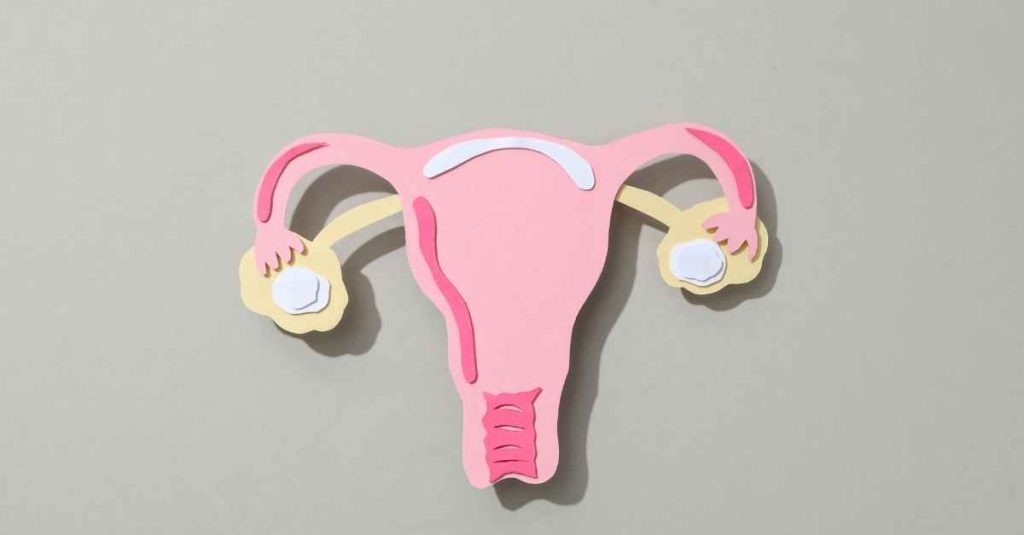
Ovarian laziness or polycystic ovary syndrome (PCOS) is one of the most common hormonal disorders among girls and young women, which usually begins in the first years of puberty. In this case, the ovaries are not able to ovulate regularly and male hormones increase in the body. The result of these changes can manifest itself in forms such as irregular periods, stubborn pimples, increased hair loss, excess weight and sometimes hair loss. Many families confuse these symptoms with the normal changes of puberty, while early detection can prevent complications such as infertility, diabetes, and skin problems. The purpose of this article is to examine the most accurate and scientific signs of ovarian laziness in girls, its causes and ways of early diagnosis in order to increase public awareness of this important disorder.
Primary symptoms of ovarian laziness in girls
Ovarian laziness in girls usually occurs gradually and may be difficult to detect in the first years of menstruation. The first signs are usually irregular periods, persistent breakouts, or hair growth in unusual areas. If these symptoms persist for more than six months, they should be taken seriously. Many girls get stressed at this stage and think these changes are normal, while early visit to the doctor can prevent the disease from progressing and further problems.
Irregular period during adolescence
Menstrual irregularity is one of the most common early symptoms of PCOS in girls. Periods may be interrupted for several months or the intervals between them may be long. This is a sign of ovulation disorder and if it continues for more than three months, it needs to be investigated. Sometimes families confuse this condition with "natural puberty irregularity", but the difference in its duration and severity is clear. If the teenage girl still does not have a regular cycle after two years of menstruation, the possibility of ovarian laziness should be investigated.
Increase of unwanted hair on the face and body
Increasing the level of male hormones (androgens) causes the growth of thick hair in areas such as the chin, behind the lips, chest or abdomen. This symptom is not only uncomfortable in terms of appearance, but also indicates that the hormonal balance of the body has been disturbed. Some girls try to get rid of these hairs with temporary methods, but the root treatment is only possible by regulating hormones. In such a situation, the doctor measures the androgen level with a blood test and starts the treatment based on that.
Refractory skin boils
Acne or persistent pimples that do not respond to conventional medications is another clear sign of ovarian laziness. An increase in androgen causes excessive activity of sebaceous glands and closing of skin pores. These types of pimples usually occur in the area of the jaw, chin and back and remain even after puberty. If the pimples are severe, deep and painful, instead of using anti-acne creams, it is better for girls to consult an endocrinologist or gynecologist to check the hormonal cause.
Hair loss in teenage girls
One of the lesser known but important symptoms of ovarian laziness is hair loss from the front of the head or the crown area. The increase in testosterone causes the hair follicles to shrink and the hair gradually becomes thinner and thinner. For many girls, this issue has a strong negative psychological impact. Combined treatment with hormone regulating drugs and hair care can control the shedding process and help regrowth. Early identification of this symptom is very important.
Overweight or obesity in girls with PCOS
About 50 to 60% of girls with ovarian laziness are overweight. This obesity usually accumulates in the abdominal area and is associated with insulin resistance. When the body loses its sensitivity to insulin, sugar is not used well in the cells and is stored as fat. This vicious cycle aggravates other symptoms such as irregular periods or increased androgens. Correcting nutrition and regular exercise is the first step in controlling weight and improving the state of the ovaries.
Relation between unhealthy diet and ovarian laziness
High consumption of sugar, sweet drinks, fast food and processed foods can cause PCOS in girls. A high-calorie and low-fiber diet raises insulin levels and disrupts ovarian function over time. Conversely, a diet rich in fresh vegetables, plant proteins, and whole grains helps regulate blood sugar and hormones. Parents should take seriously the role of nutrition in the hormonal health of girls, because modifying the diet in many cases alone improves the symptoms.
Mental symptoms of ovarian laziness
Ovarian laziness is not only a physical issue, but it can also affect the mental health of girls. Fatigue, mood swings, anxiety and reduced self-confidence are common consequences of this disorder. Some teenagers refuse to be in public because of changes in their appearance, such as obesity or pimples. It is very important for parents to be aware of this aspect, so that they can prevent depression or isolation by providing emotional support and referring to a psychologist. Comprehensive treatment should consider the body and mind together.
Difference between natural puberty changes and disease symptoms
During puberty, natural hormonal changes such as irregular periods or mild breakouts are completely expected. But when these symptoms are severe, prolonged or accompanied by abnormal hair growth, the possibility of PCOS is raised. The main difference is in the duration and severity of the symptoms. Parents should know that not all changes during adolescence are normal and sometimes they are a sign of hormonal disorders. Early diagnosis by a doctor prevents many future complications.
The main causes of ovarian laziness in girls
The exact cause of PCOS is still not fully understood, but a combination of genetic, environmental and metabolic factors play a role. If a family member (mother or sister) has this problem, the probability of it occurring in girls increases. Sedentary lifestyle, obesity, unhealthy diet and stress are also accelerating factors. Even insufficient sleep or high sugar consumption can disrupt ovarian function over time. Therefore, prevention from a young age with healthy eating and regular exercise may prevent its occurrence.
The role of genetics in the occurrence of polycystic ovary syndrome
Ovarian laziness is not a hereditary disease, but the genetic background is well established. If a person's mother, sister or aunt is affected, the probability of this syndrome increases to two times. Genes related to insulin resistance and excessive secretion of androgens are more active in some families. Of course, genetics alone is not enough; An unhealthy lifestyle can activate these genes. That is, heredity plants the seeds of disease, but the environment provides the conditions for its growth.
How to diagnose ovarian laziness in girls
Diagnosis at an early age is always challenging, as symptoms can be mistaken for normal puberty. The doctor usually makes a decision by combining several diagnostic methods: a physical examination, checking the menstrual history, blood tests to measure hormones, and finally a pelvic ultrasound. The important thing is that in girls under 18 years of age, the diagnosis should be done carefully and without hasty labeling. Sometimes, only the modification of nutrition and sleep regulation can improve the situation.
Ultrasound results in the diagnosis of adolescent PCOS
In the ultrasound of the ovaries of affected girls, small and numerous follicles are usually seen, which are placed in a ring around the ovary. This pattern, which is called "pearl image", is a sign of ovarian laziness. Of course, in teenage girls, this image is not always a definitive criterion; Because during puberty, many natural follicles are also seen. Ultrasound interpretation must be done by an experienced gynecologist or radiologist.
Blood tests to check hormones
Blood tests provide a clear picture of the body's hormonal status. In PCOS, the ratio of LH to FSH usually increases and the level of androgens increases. In some girls, the amount of fasting insulin is higher than normal, which is a sign of cellular resistance. Based on the results of these tests, the doctor confirms the diagnosis and determines the type of treatment. Checking thyroid and prolactin is also necessary to rule out other causes of irregular periods.
Relationship between ovarian laziness and insulin resistance
Insulin resistance is one of the main causes of PCOS. In this case, the body is forced to secrete more insulin to control blood sugar. This extra hormone, along with androgens, disturbs the normal function of the ovary. The result is the same symptoms seen in girls: irregular periods, abdominal obesity, and sometimes darkening of the skin in the neck or armpit areas. Effective treatment occurs when both the ovaries and the body's metabolism are regulated at the same time.
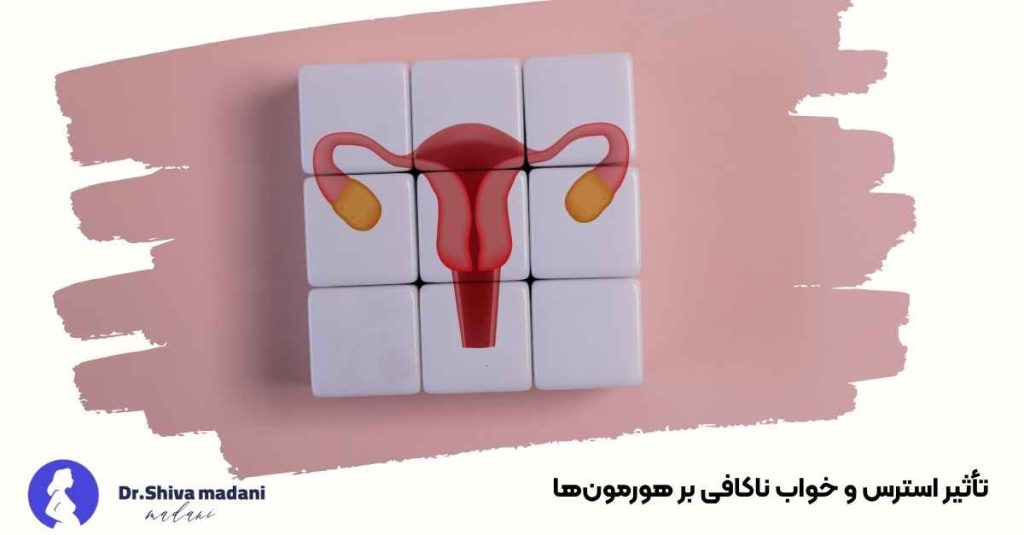
Effect of stress and insufficient sleep on hormones
Continuous stress, lack of sleep and chronic anxiety can disturb the hormonal balance. High secretion of cortisol hormone causes increase in blood sugar and ultimately disrupts ovarian function. Girls who are during exams or mental pressure often have irregular periods. Adequate sleep, deep breathing, yoga and mental relaxation can help regulate the hypothalamus and pituitary axis. Sometimes just enough sleep works wonders.
The role of physical activity in reducing symptoms
Regular exercise is one of the simplest yet most effective PCOS treatments. Activities such as brisk walking, swimming or resistance training reduce insulin resistance and improve hormonal balance. Even 30 minutes of daily exercise can restore the regularity of periods to the body. In addition, exercise lowers stress levels and improves mood. The key point is the continuity in exercise, not its intensity.
Suitable diet to control PCOS symptoms
Nutrition plays an essential role in controlling symptoms of ovarian laziness. Diets rich in fiber, fresh vegetables, low-sugar fruits, and healthy proteins (such as fish and eggs) help balance blood sugar. Eliminating white sugar, soft drinks and fast food is one of the first recommendations of doctors. Some substances such as cinnamon and ginger are also effective in regulating insulin. On the contrary, strict diets and complete elimination of food groups can make the situation worse. The body wants balance, neither excess nor excess.
Basic treatments for teenage girls
Treatment of PCOS in teenagers usually starts with lifestyle changes. In mild cases, the doctor only recommends proper diet and regular exercise. If symptoms are more severe, hormone-regulating drugs or metformin may be prescribed. The important thing is that the treatment should be appropriate to the age and maturity status. The goal is to control symptoms and prevent future complications, not to prescribe heavy drugs at a young age.
Hormone regulation pills for teenagers
In cases where periods are irregular for a long time or there is severe acne and hair loss, the doctor may use low-dose combined birth control pills. By regulating estrogen and progesterone, these pills regulate the menstrual cycle and reduce androgens. Usually, their consumption is temporary until the ovaries reach balance again. It is important to use these drugs only with a doctor's prescription and regular monitoring.
Time to see a gynecologist
If a teenage girl's period is interrupted for several months in a row or the intervals are more than 40 days, she should see a doctor. Also, the presence of symptoms such as severe acne, excessive hair growth or rapid weight gain needs to be investigated. Early visit to the doctor not only leads to faster diagnosis, but also prevents complications such as infertility or metabolic problems in the future. In young girls, the goal of treatment is to adjust the body, not to give drugs for no reason; Therefore, early diagnosis is the key to simple treatment.
Consequences of not treating ovarian laziness on time
Ignoring the symptoms of PCOS in adolescence can have long-term consequences. In the long term, it may lead to infertility, type 2 diabetes, high blood pressure or high cholesterol. Psychologically, the feeling of dissatisfaction with the appearance and constant stress can lower the quality of life. Fortunately, treatment at a young age is much more effective and most of these problems can be avoided by modifying lifestyle. A delay in treatment means a missed opportunity for prevention.
Effect of precocious puberty on ovarian function
In some girls, puberty starts earlier than the normal age and this issue can cause hormonal disorders. The ovaries are not yet functionally mature, but the body is under pressure from various hormones. In such conditions, the possibility of irregular periods and increased androgens increases. Accurate diagnosis at this age is very sensitive, and usually the doctor decides whether treatment intervention is necessary by examining the level of hormones and bone growth.
The role of the family in early detection of symptoms
The role of parents is vital in identifying symptoms. Many girls at this age are embarrassed to talk about their body changes, so parents need to provide a safe, non-judgmental space for discussion. Observing symptoms such as stubborn pimples, unusual hair growth or infrequent periods should not be taken lightly. Parents' awareness of these symptoms can prevent the progression of the disease. Sometimes just an intimate conversation at home makes the treatment process faster.

Common mistakes in the diagnosis of ovarian laziness
One of the common mistakes is to confuse PCOS with thyroid diseases or prolactin disorders. Although they have similar symptoms, their causes are different. Even some doctors do not make a definitive diagnosis in the early stages due to clinical similarities. Another misconception is that all obese girls have PCOS, while many sufferers are perfectly normal weight. Definitive diagnosis is possible only by laboratory examination and ultrasound, not by the appearance of the body.
Difference of PCOS symptoms in thin and fat girls
In obese girls, the symptoms are usually more obvious: irregular periods, excess hair, and severe acne. But in thin girls, the signs are more subtle and sometimes only seen in blood tests. This group may have a normal weight, but there is insulin resistance in their body. For this reason, appearance should not be considered as a measure of health. Sometimes, the apparent thinness of the body can deceive the doctor, while the ovaries are not functioning normally.
Effect of childhood nutrition on ovarian health
Childhood nutrition is one of the determinants of hormonal health in adolescence. Continuous consumption of fast food, soft drinks and sugary substances from a young age provides the basis for insulin resistance and eventually PCOS. On the other hand, a diet rich in vegetables, low-fat dairy products and healthy proteins will grow the ovary in a natural way. Parents should know that ovarian health in the future starts from today's food plate.
Evaluation of mental status of girls with PCOS
Feeling ashamed of one's appearance, anxiety caused by body changes or fear of infertility in the future are common psychological problems in affected girls. These feelings, if ignored, can lead to depression or isolation. The presence of a psychologist along with a gynecologist is an important part of the treatment. Support from family and friends, acceptance of the body, and education about the true nature of the disease can put the patient's mind at ease. Successful treatment means the return of self-confidence, not just hormone regulation.
Prevention of ovarian laziness in teenagers
Prevention is always easier than cure. Having a balanced weight, enough sleep, healthy eating and regular physical activity from childhood can prevent PCOS. It is also very effective for girls to be aware of their body functions through education in schools or health counseling. Even simple changes like cutting down on sugary drinks and increasing daily walks can have a dramatic effect. The body of young girls is flexible at this age; Today's care means tomorrow's health.
Summary and doctor's final recommendation
Ovarian laziness in girls is a silent disease that begins with subtle symptoms and can continue for years if not diagnosed early. Early recognition leads to simpler and more effective treatment. No girl should feel ashamed to talk about her symptoms; This awareness is a sign of intellectual maturity and health care. With proper nutrition, exercise, and regular medical follow-up, symptoms can be controlled and future fertility and beauty of skin and hair can be preserved. Taking care of the ovaries is taking care of the health of women. href="#">
Write your opinion Cancel Answer
Latest Articles
Care after vaginal RF
07/23/1404
blog Women's beauties Services Stay updated by subscribing to our newsletter
Stay updated by subscribing to our newsletter
مقالات دیگر از Dr. Shiva Madani Hosseini

Endometriosis from diagnosis to treatment
What is endometriosis? Replacement of the tissue of the inner wall of the uterus in other areas of the body is called endometriosis. There are four theories about the cause of endometriosis: ۱- اندوم...

Hymen or hymen
### Hymen or hymen Hymen is a membrane that covers the opening of the vagina. This word is a Greek word and is derived from the name of the goddess of marriage. In the initial embryonic stage, there...

Injection of gel into the vagina
One of the most common methods of vaginal rejuvenation is **injection of gel into the vagina**, due to women's satisfaction with the result of the operation, the demand for doing it is increasing. Pre...

Pain and swelling after labiaplasty
All people who do labiaplasty experience pain and swelling in the operation area, and this is completely normal. The swelling and inflammation that occurs after labiaplasty and its severity can be lo...

Suitable people for labiaplasty
What is labiaplasty? Labiaplasty is performed to reduce the size of the labia and to improve the beauty and condition of the labia, but the question that arises is who are suitable for labiaplasty, th...

What are stretch marks or stretch marks?
stretch marks or stretch marks Stretch marks or striae are skin lesions that appear in the form of lines in the thighs, hips, abdomen and breasts due to thinning of the skin and indentation of the s...

Anatomy of the female reproductive system
Knowing the anatomy of the female reproductive system will help women to have a better understanding of the condition of their organs so that if they see a problem in that organ, they can take better...

What is premenstrual syndrome or PMS?
What is premenstrual syndrome or PMS? It is a group of physical and mental symptoms that occur periodically and close to menstruation in women. About 75% of women suffer from mild premenstrual syndrom...

Vaginal infection
Vaginal infection is one of the most common reasons for visiting a gynecologist, which is caused by the disruption of the microbial balance of the vagina. In this article, after introducing the types...

Urinary tract infection in women
Urinary tract infection is an infection that involves the urinary tract including: urethra, bladder and kidneys. They are parasitic, bacterial, fungal or viral infections. Urinary tract infections th...

Reason for delayed period
What is the reason for delayed period? In general, the main and common reasons for delayed periods are: - **Stress** - **weight fluctuations** - **Hormonal disorders** - **pregnancy** - **use of dru...

Gestational diabetes from diagnosis to treatment
Complications of gestational diabetes - Birth of a baby with high weight (macrosomia) - Abortion - stillbirth - Pregnancy toxicity (pre-eclampsia) Cause of gestational diabetes During pregnancy, ho...

SEO site management services
Search engine optimization (SEO) services help you to rank your website higher in the search results of Google and other search engines.

Implementation of branding and digital advertising
Digital branding means creating a strong and distinctive brand in the digital space for a company or a specific product. This process involves using digital methods and strategies to build and strengthen the brand.

Website design for companies and businesses
Website design for companies and businesses can help you have a stronger online presence and attract more customers. Contact us for more information.
